






Stat Significant now has over 22,000 subscribers! As I prepare to launch a paid subscription later this year, I’d love to get to know you better and learn what you want from the newsletter. Help shape the future of Stat Significant by completing this brief, 1-minute survey!
In 1953, an episode of I Love Lucy that featured the birth of Lucy’s son was watched simultaneously by approximately 71% of American households — surpassing the viewership of Eisenhower’s presidential inauguration.
Flash forward to today, when no narrative TV show captures more than 5% of American households at a time, and the sitcom format is in decline (and has been for decades). Traffic patterns and water pressure remain unaffected by television viewership, and laugh tracks are an anachronistic novelty. The sitcom, once a unifying pillar of American life and a wildly popular global export, is on the brink of extinction — with the format’s boom and bust mirroring the entertainment industry’s shift from mass monoculture to fragmented streaming silos.
So today, we’ll explore the rise and fall of the TV sitcom, investigate the genres that have taken its place, and consider whether this beloved format is ripe for a revival.
Before charting the sitcom’s history, we must first define what a sitcom is — a concept that is surprisingly elusive. Several storytelling characteristics distinguish sitcoms from other television formats:
To quantify the prevalence of the sitcom format over time, we’ll rely on Wikipedia genre tags. Wikipedia typically assigns multiple genre categories to a single show; any series tagged “sitcom” will be classified as such.
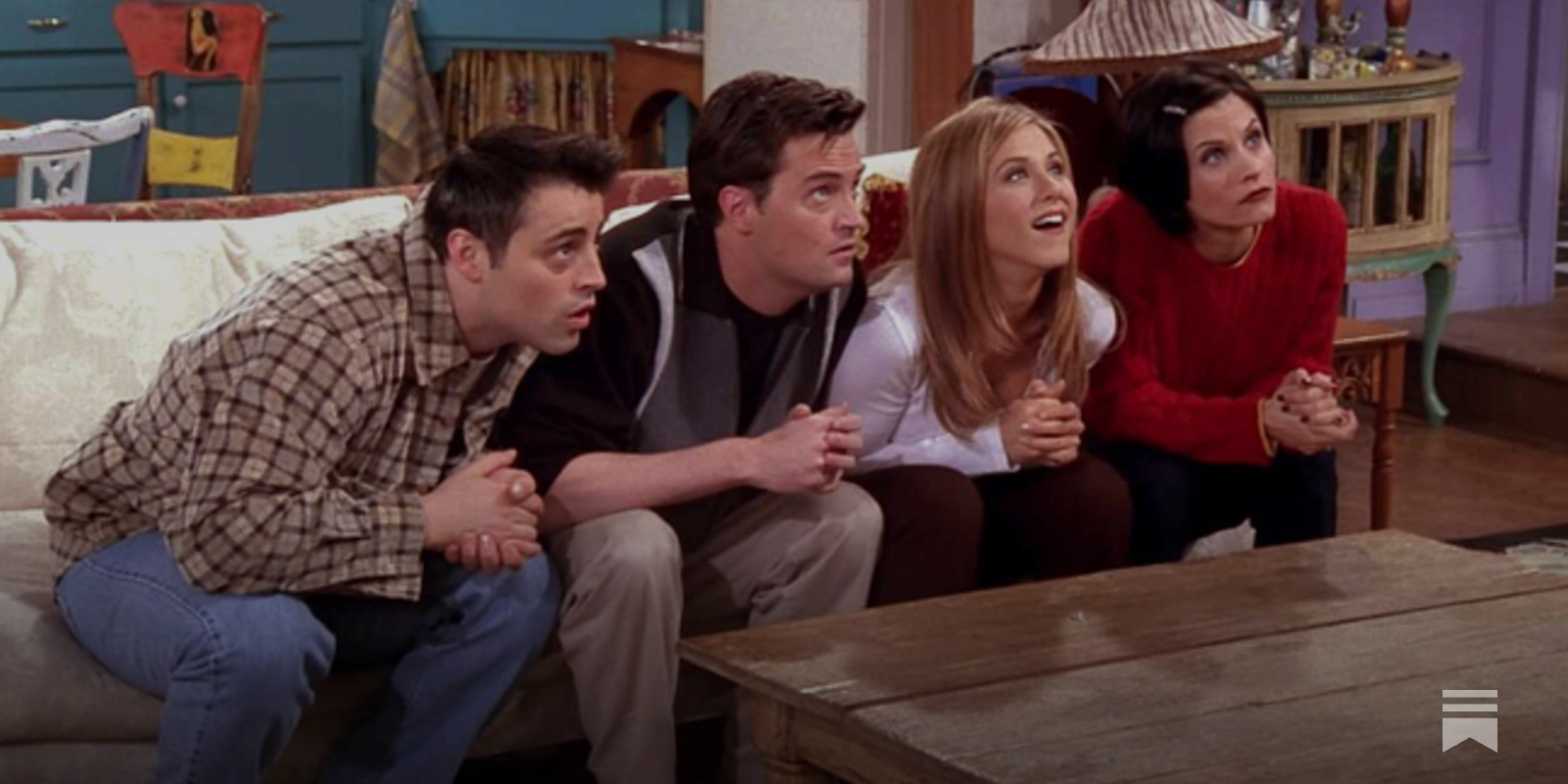
According to our genre dataset, sitcoms have historically accounted for approximately 10% of new shows, peaking in popularity during the 1990s — a decade marked by monocultural hits like Seinfeld, Friends, and Frasier — before experiencing a sharp decline starting in the 2000s.
This data understates the cultural ubiquity of sitcoms throughout the 20th century. Of the ten most-watched television finales in American history, eight of these episodes belong to prominent sitcoms, with tens of millions of Americans bidding farewell to shows like M*A*S*H and Cheers.
So what caused this once-beloved television format to fall out of favor? The short answer is “Peak TV” and streaming.
In 1999, The Sopranos premiered on HBO, marking a pivotal moment in television history due to the series’ notably intricate narrative structure and nuanced character development. The show blurred the line between film and television, incorporating cinematic techniques and storytelling devices that elevated TV to a more “serious” artform. Other series quickly followed suit, with shows like The Wire, Breaking Bad, and Mad Men adopting the production value and narrative complexity traditionally associated with arthouse cinema. Netflix accelerated this ongoing evolution, introducing its streaming service and launching ambitious shows like House of Cards and Orange Is the New Black.
The 2000s and 2010s saw unprecedented investment in television production, leading to an increase in programming choices and higher-quality shows.
In 2015, FX CEO John Landgraf coined the term “Peak TV” to describe the rising number of scripted television series and the emergence of big-budget prestige dramas. When we measure TV production using IMDb data, we observe an explosion of content beginning in the early 2000s.
The sitcom’s preeminence waned amid this deluge of television programming, though its decline stemmed from more than a crowded marketplace.
At the turn of the century, traditional formats such as sitcoms and soap operas gradually gave way to buzzier concepts like high-profile dramas and limited series thrillers.
The sitcom, one of television’s most mainstream formats, became associated with cable-bound traditionalists, while edgy streaming platforms lured consumers with flashy prestige shows starring A-list film actors. Big-budget productions like Severance, Stranger Things, and Masters of the Air served as a rebuke to conventional television programming, enticing audiences to pay a whopping $9.99 per month — at least temporarily.
Streaming platforms eventually settled on a handful of dependable formats — self-important dramas, glossy reality TV, and true-crime docuseries — but deliberately steered clear of sitcoms, effectively branding the genre as outdated. Occasionally, streamers experiment with the sitcom format — such as Netflix’s The Ranch or Tires — but situational comedy has mostly retreated to shrinking cable networks. And yet, despite the scarcity of newly produced sitcoms, the genre endures as a nostalgic artifact.
If the sitcom is dead, then it’s having a rather active afterlife.
In 2020, The Office, a show that ended nearly a decade prior, topped Nielsen’s year-end viewership rankings by a significant margin.
In 2024, HBO Max released data indicating that The Big Bang Theory (a show that concluded five years prior) was its most-binged series, totaling around 29.1 billion minutes of annual streaming time.
Services like HBO Max, Hulu, and Peacock add hundreds of shows and movies to their platforms every year, yet somehow classic sitcoms still account for 12 to 15% of all streaming demand on these services, driven by a handful of iconic shows, including Friends, Seinfeld, Frasier, and The Office.
According to a 2023 YouGov poll, half of Americans rewatch a previously seen TV episode at least once a week. Among these viewers, nearly 60% identified comedy as the genre they most frequently watch and rewatch.
When asked to provide a rationale for consuming familiar material, survey respondents cited humor, relatability, and nostalgia as the primary reasons for revisiting content.
Taken together, this constellation of data points could be interpreted in one of two ways:
I no longer watch cable TV — except when I’m on vacation. Whenever my wife and I stay at a hotel, we exclusively consume Diners, Drive-ins and Dives and “Nick at Nite” (which primarily airs episodes of Friends and The Big Bang Theory). I enjoy these shows so much that I genuinely look forward to this ritual as a highlight of our trip.
Now, perhaps you consider yourself a cultured individual because you pay for The New York Times (but mostly use it for Wordle) and you once saw a heady play on Broadway (that you found confusing but are ashamed to admit so), and you’re sitting there thinking to yourself “only a fool would watch prosaic trash like The Big Bang Theory!! 🧐”
Well, I used to be just like you — going around dismissing mainstream culture and playing Wordle. But on my most recent vacation, as I sat there giggling at another perfectly timed “Bazinga!” from The Big Bang Theory’s Sheldon, I stumbled upon a fun little thought experiment: What if Netflix’s first foray into original content had been a multi-camera sitcom as opposed to House of Cards?
Sitcoms fell out of fashion because they no longer confer meaningful social prestige or signal cultural capital — in fact, they pretty much do the opposite — but what if Netflix or HBO embraced the format? If Cate Blanchett and Robert De Niro were cast in a lavish, big-budget sitcom penned by Oscar-winning comedians, would the format still seem outdated? Would self-styled elites consider sitcoms passé if the genre were embraced by taste-making streamers? Or was the sitcom inevitably doomed in a fragmented streaming landscape precisely because it was once so thoroughly mainstream? Can sitcoms only flourish in a television industry defined by five primetime channels?
Suppose the genre is incompatible with today’s world of infinite content silos. In that case, the sitcom can only persist as nostalgic comfort food — a reminder of simpler times when relatable characters were met with laugh-track applause, department stores adjusted their hours around TV schedules, and 71% of households would tune in to watch the birth of a fictional baby.
Having trouble extracting insights from your data? Need assistance on a data or research project? Well, you’re in luck because Stat Significant offers data consulting services and can help with:
Read more on statsignificant.com

