






When I was asked to write about my favourite beach I had to think laterally. I was born and raised in Parkes in Central West NSW, so the beach was not front-of-mind – especially during a decade-long drought. The coastline was more than 350 kilometres away; beaches were only for holiday road trips. Even now, as a proud resident of western Sydney, with beaches much closer to home, I can never shake that holiday feeling whenever I hit the sand.
Much of my childhood experience with water involved the local pool where I learnt to swim, and feeling the cool mud squelch between my toes while chasing yabbies in a dam on a friend’s farm in 40-degree heat at Christmas. It’s hard to find places to swim when you’re recycling your bathwater in a hose out the window in a bid to resuscitate your lawn.
As a drowning-prevention researcher, I’ve been lucky to visit some beautiful inland waterways and river beaches in Australia. I’ve done interviews beside the Hastings and Hawkesbury rivers, launched river safety campaigns on the Murray, and filmed ads about water safety on the Parramatta River.
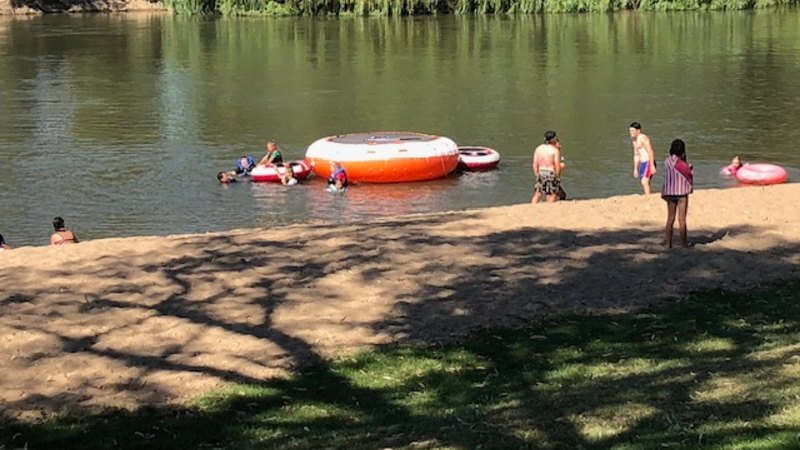
But my mind lingered on the Murrumbidgee River, and Wagga Beach in particular. This river beach is a gorgeous place to swim; it took out ninth position in Tourism Australia’s top 20 beaches.
The Marrambidya River, as First Nations people know it, sits on the lands of the Wiradjuri people, the same Aboriginal lands I grew up on.
I hold fond memories of talking to people there as part of my PhD fieldwork in 2018. My research showed that alcohol was an issue in drowning deaths in rivers, but we had no idea how often people were drinking (to excess) at the river and if they thought it was risky to do so. To find out, I spoke to, and breathalysed, river users at Wagga Beach.
Read more on The Sydney Morning Herald

