






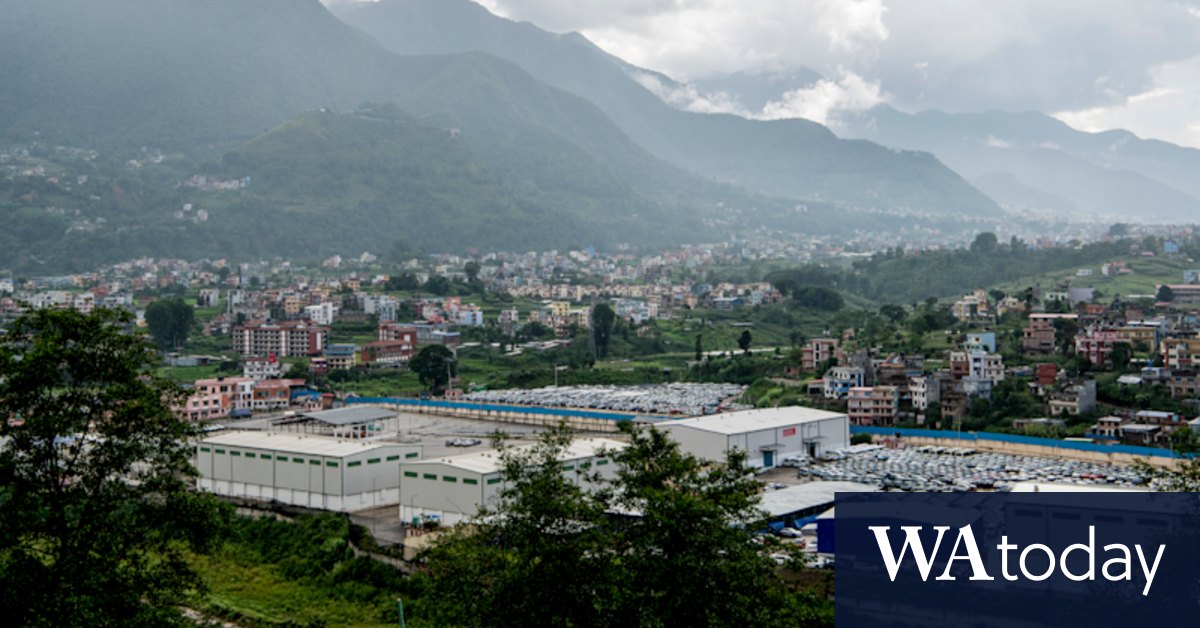
Kathmandu, Nepal: The narrow streets of Kathmandu – sized for pedestrians and rickshaws – are choked with engines. Buses, motorbikes, small trucks and taxis fill the sprawling valley with horns and exhaust fumes. For its more than 3 million residents, just getting around is a dangerous, eye-stinging ordeal.
But recently, a new kind of motor has started to ease the crush. Sleek electric vehicles glide by with a quiet hum. Gleaming showrooms do a brisk business in the latest models, and charging stations on the highways have turned into rest stops with cafes for drivers to pass the time.
The transition is moving quickly. Over the past year, EVs accounted for 76 per cent of all passenger vehicles and half of the light commercial vehicles sold in Nepal. Five years ago, that number was essentially zero. The EV market share in Nepal is now behind that of only a few countries, including Norway, Singapore and Ethiopia. The average for all countries was 20 per cent in 2024.
The swift turnover is the result of government policies aimed at leveraging Nepal’s wealth of hydropower, easing dependence on imported fossil fuels and clearing the smog. It has been fed by an intense push from Nepal’s biggest neighbour, China, the world’s dominant manufacturer of battery-powered vehicles.

