






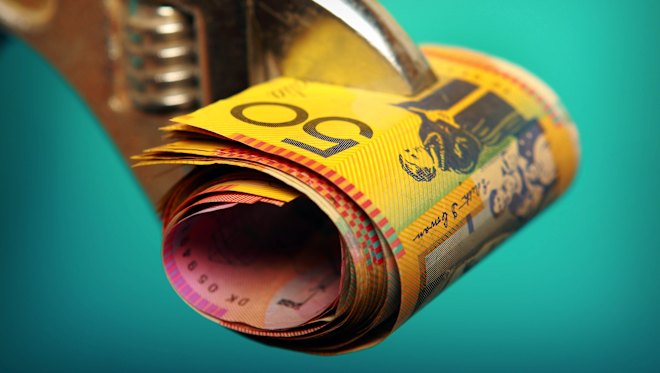
A new 10-year adult passport will cost $10 more in 2026 than the year prior, increasing from $412 to $422.
Passport prices jump regularly – the fee was $325 in 2023 – which officials say ensures the costs keep pace with inflation.
Australia has the most expensive passport in the world, according to a Compare the Market analysis. Mexico is a distant second, with a passport costing $335 and the US charging $251 for theirs.
Australia’s Centre for Disease Control will be officially launched 40 years after the idea was broached and almost six years after the COVID-19 pandemic arrived in Australia.
The organisation will prepare the nation for public health emergencies and track the spread of disease.
Australia was the only country in the OECD – a key international standard-setting organisation – to not have its own centre for disease control. Australia’s is launched as the US Centres for Disease Control is rocked by controversies over the edicts of the Trump administration health secretary Robert F. Kennedy Jr.
Shortly after New Year’s Day, on January 5, families eligible for the government’s Child Care Subsidy can get three days per week of subsidised child care.
Known as the three-day guarantee, a couple earning less than $530,000 will be subsidised for at least 72 hours of child care each fortnight.
Parents will be eligible for 100 hours of subsidised care each fortnight if each parent works or studies more than 48 hours during that period, or if an exemption applies.
The activity test, which limited how much of the subsidy parents got based on how many hours they worked, will be abolished to improve accessibility for low-income families.
“Our three-day guarantee will ensure every family can afford three days of high-quality early education,” the prime minister said when he announced the changes in 2024.
Australians can expect to pay more for their power bills in the new year after Labor nixed its energy rebate.
Treasurer Jim Chalmers announced this month that Labor would not extend its $300 power bill subsidy beyond December 31.
He said ending the subsidy, which would have cost another $2 billion to run for a further six months, marked a change in the government’s approach to dealing with cost-of-living pressures and stop consumer reliance on direct cash support.
There’s a six-month wait until the federal government’s new bill-reduction plan is in place – forcing utility companies to offer three free hours of electricity every weekday. This proposal has been forcefully opposed by the companies, so expect to hear more about this.
The maximum cost of medicines on the Pharmaceutical Benefits Scheme will be lowered for everyone with a Medicare card.
The maximum co-payment will drop from $31.60 to $25 per script, cutting up to a fifth of out-of-pocket costs for the 20 million Australians who don’t get concession discounts.
The co-payment will remain frozen at $7.70 for pensioners.
Labor’s telehealth hotline, 1800MEDICARE, will also be launched.
The 24-hour health advice line and after-hours GP telehealth service was an election promise that Albanese said would “bring new security and peace of mind to people all over Australia”.
More than 1 million Australians receiving social security payments will get a modest bump to their bank account each fortnight in the new year thanks to indexation.
Single adults on Youth Allowance who have no dependents and live away from home will receive an extra $20.90 in the maximum fortnightly payment, at $684.20.
Those receiving the Care Allowance will get $3.30 more per fortnight, the payment increasing to $162.60.
Income thresholds for student payments and the parental income test threshold for Youth Allowance and Abstudy will also increase.
Start the day with a summary of the day’s most important and interesting stories, analysis and insights. Sign up for our Morning Edition newsletter.

