






The legendary retired hitman’s story continues to captivate audiences worldwide! Sakamoto Days Part 2 Episode 7 (Episode…
The global trade landscape is witnessing unprecedented tensions as Trump doubles tariffs on India to 50 percent over Russian oil imports, sparking fierce criticism from Moscow and bringing India-Russia relations into sharp focus.
Trump has imposed a 25% tariff on Indian goods, with an additional 25% penalty for the country’s purchase of military equipment and energy from Russia. This aggressive move makes India the country facing the highest US tariffs at present – along with Brazil.
Source: White House Executive Orders
Russia has defended India over its ongoing trade war with the U.S., calling Trump’s tariffs “attempts to force countries to stop trade relations with Russia”. Moscow’s criticism centers on what they perceive as Western hypocrisy in trade relationships.
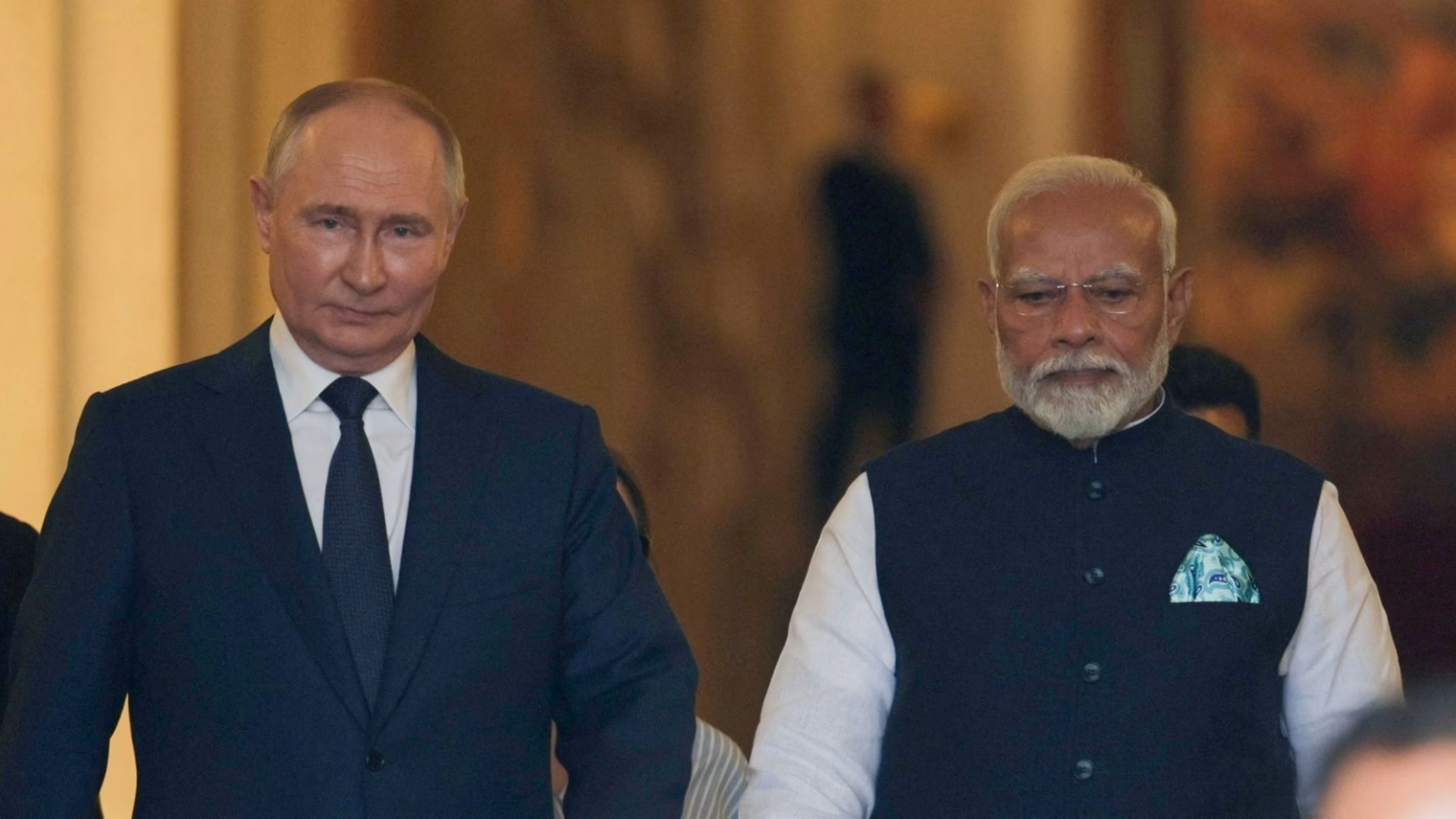
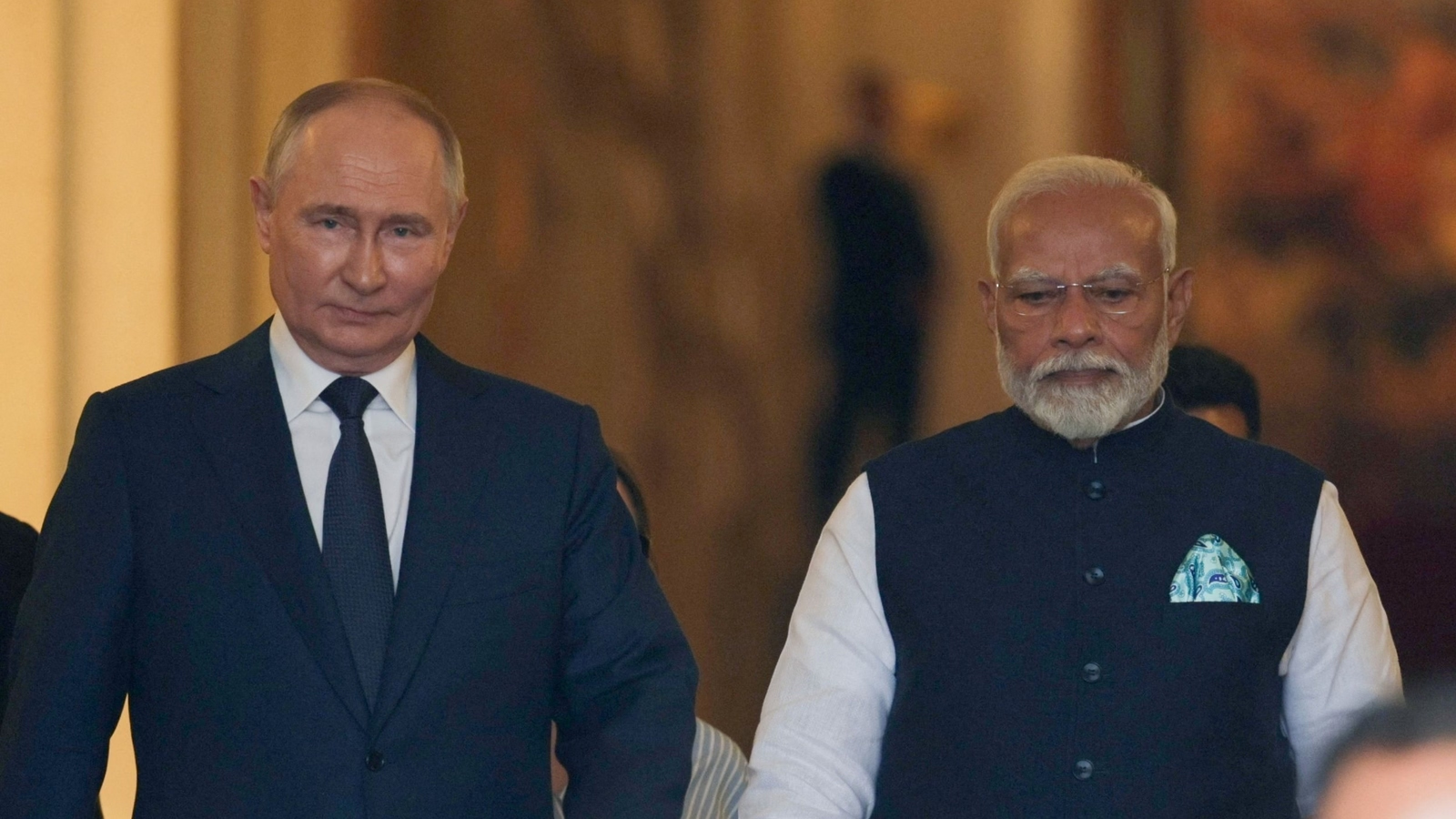
Following Trump’s tariff announcement, Modi shared a “good call” with “my friend” Putin, stating “I look forward to hosting President Putin in India later this year”. This response signals India’s determination to maintain its strategic autonomy.
For years, India has balanced close partnerships with both Washington and Moscow, even throughout Ukraine war. Trump is finally demanding it picks a side.
The pressure has intensified India’s diplomatic strategy:
For comprehensive analysis of India’s foreign policy strategies, visit our geopolitics section and energy security updates.
The upcoming Putin visit to India carries significant implications for global trade dynamics and geopolitical alignments. Expected focus areas include:
The summit represents India’s assertion of strategic autonomy against external pressure. Trump’s tariffs are pushing Modi and Putin closer together, with the kindling already dry after Trump’s repeated claims about brokering ceasefires.
The escalating tensions have broader implications for international trade:
Industry experts warn this could reshape global trade patterns permanently. For detailed market analysis and investment strategies, check our international trade insights and market trends section.
By using tariffs as a foreign policy tool, the US president is legitimizing China’s own acts of economic coercion. This precedent could fundamentally alter international trade norms.
The situation highlights the growing multipolarity in global economics, where countries are increasingly willing to resist unilateral pressure through alternative partnerships.
Stay updated on evolving trade policies through official US Trade Representative announcements and Ministry of External Affairs statements.

