






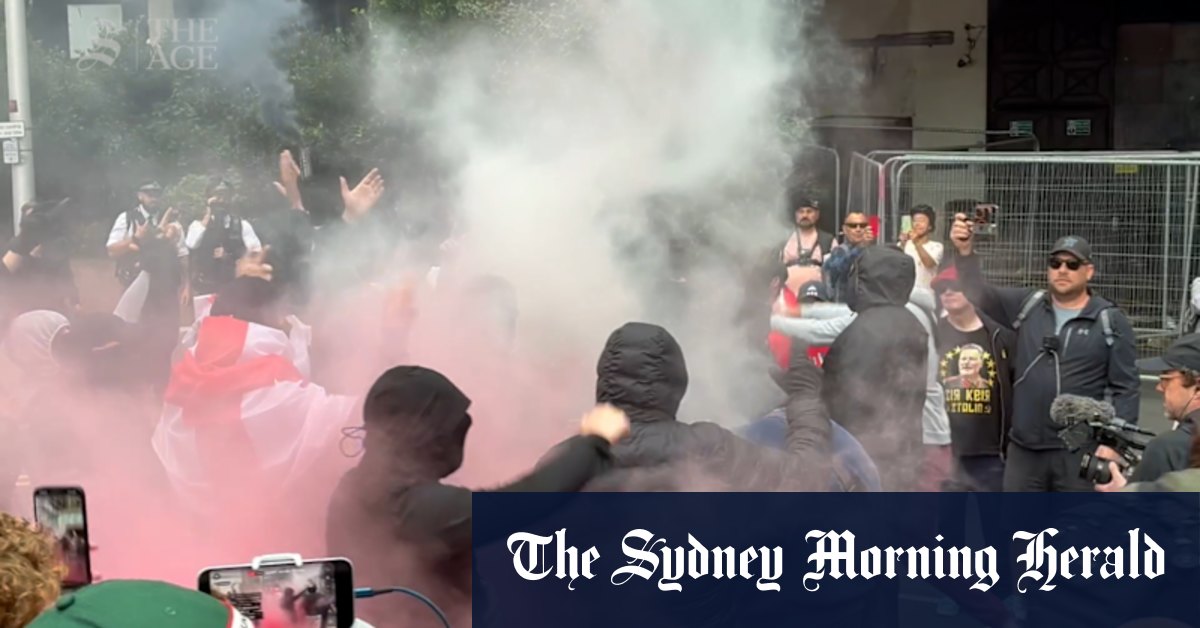
London is witnessing a surge in protests, primarily targeting hotels accommodating asylum seekers.These demonstrations, occurring across several weekends, reflect a growing tension surrounding the UK’s asylum policies and the strain on local resources. This article delves into the heart of these protests, exploring the concerns of residents, the experiences of asylum seekers, and the broader political context.
The protests aren’t a spontaneous outburst; they’re the culmination of mounting frustrations. Residents near the hotels housing asylum seekers express concerns about increased strain on local services – from healthcare and schools too policing. A common refrain is the feeling that their communities are changing rapidly without adequate support or consultation.
Many protesters voice anxieties about safety, fueled by misinformation circulating online. While these fears are largely unsubstantiated, they’ve become a central narrative within the demonstrations. It’s crucial to acknowledge that genuine concerns exist alongside prejudiced viewpoints,making the situation complex.
While the protests focus on the impact on local communities, it’s crucial to remember the individuals at the centre of this controversy: the asylum seekers themselves. Many have fled war, persecution, and unimaginable hardship in their home countries, seeking safety and a new life in the UK.
Being housed in hotels targeted by protests creates a climate of fear and intimidation. imagine arriving in a new country,already traumatized,only to find yourself the subject of hostility and resentment. This situation exacerbates existing vulnerabilities and hinders the integration process. we need to remember these are individuals, frequently enough deeply vulnerable, seeking refuge.
The protests haven’t occurred in a vacuum. They’re inextricably linked to the UK’s broader political debate surrounding immigration and asylum. The government’s policies, including the controversial plan to send asylum seekers to Rwanda, have inflamed tensions and provided fuel for anti-immigrant sentiment.
Opposition parties have been largely critical of the government’s approach, arguing that it’s inhumane and ineffective. However, they’ve also struggled to offer a clear option that addresses the concerns of both residents and asylum seekers. This political deadlock contributes to the sense of frustration and uncertainty surrounding the issue.
Let’s break down the specific concerns raised by residents. Increased demand on local services is a legitimate issue, and it’s vital that the government provides adequate funding to support communities hosting asylum seekers. This includes investment in healthcare, education, and policing.
However, it’s also important to put these concerns into viewpoint. the number of asylum seekers housed in any given area is frequently enough relatively small, and the impact on services is frequently overstated. Furthermore, asylum seekers contribute to the local economy, and many are eager to integrate and contribute to their communities.
There are no easy answers to the challenges posed by the current situation. Though,a more compassionate and nuanced approach is urgently needed. This requires open dialogue, accurate information, and a commitment to addressing the legitimate concerns of all stakeholders.
Here are some key steps that could help:
Increased Funding for Local Services: the government must provide adequate resources to support communities hosting asylum seekers.
Community Engagement: Meaningful consultation with residents is essential to address their concerns and build trust.
Combating Misinformation: Efforts to debunk false narratives and promote accurate information are crucial. Faster Asylum Processing: Reducing the backlog of asylum claims would alleviate pressure on the system and provide clarity for asylum seekers.
* Human-centered Policies: Policies should prioritize the dignity and well-being of asylum seekers,recognizing their inherent worth as human beings.Ultimately, finding a enduring solution requires a shift in perspective – from viewing asylum seekers as a burden to recognizing them as individuals in need of protection and support. It’s a challenge that demands empathy, understanding, and a commitment to building a more

