






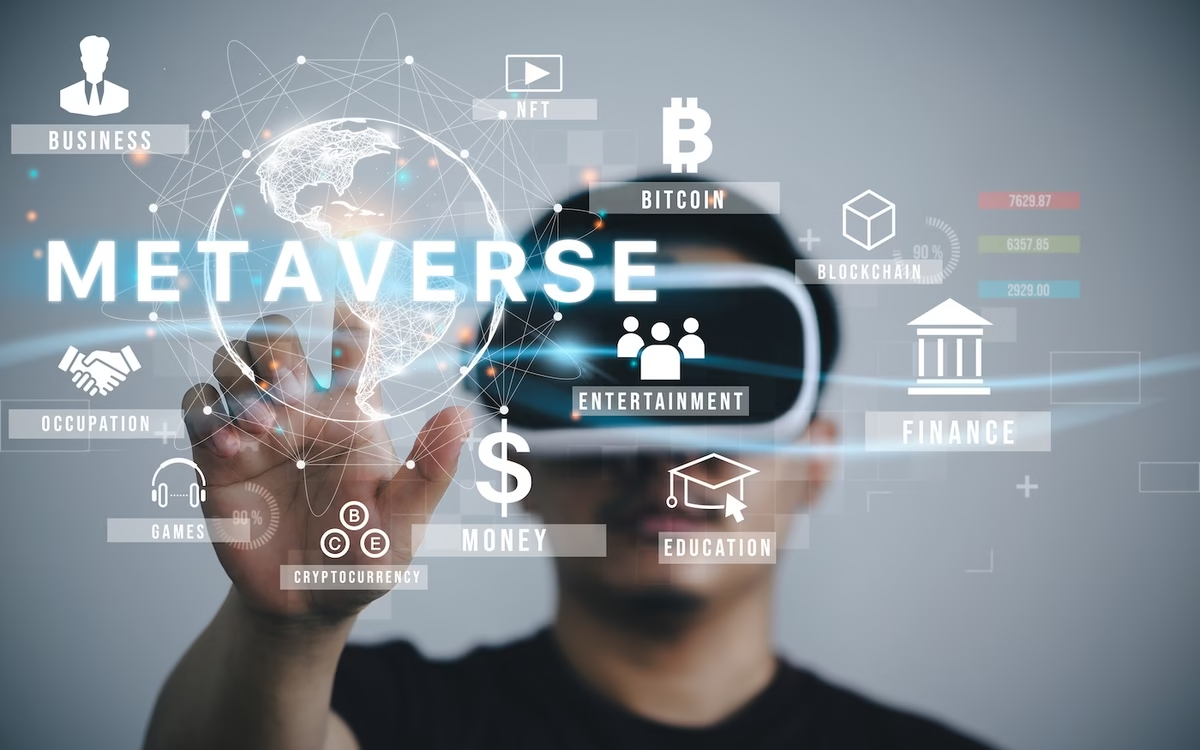
What if a virtual city felt as busy as your own neighborhood? That is the promise of Metaverse Developments in 2026. Worlds feel more real, more open, and easier to use. Four forces make this shift possible: smarter AI, proven blockchain ownership, better XR gear, and new ways to move across platforms.
Here is the simple toolkit behind the change:
Why does this matter for regular users and brands? It helps people learn faster, test ideas safely, try new kinds of fun, and even find new jobs. In this guide, you will see what powers the change, where value shows up today, who is building it, and what comes next.
The best way to understand Metaverse Developments is to focus on user benefits. Smarter worlds, real ownership, more natural immersion, and easy movement between worlds are what people feel first.
AI now acts like the invisible director behind the scenes. It sets up dynamic events, suggests helpful paths, and makes non-player characters feel alive. If you pause, they might notice. If you succeed, they might celebrate. If you fail, they might adapt the next challenge to help you try again.
Practical examples make this clear:
The result is simple. Worlds feel alive. Content adapts to each person. You spend less time lost and more time engaged.
In 2025, ownership matters. People want to know their avatar, land, and tools are truly theirs. Blockchain makes this real. NFTs work as proof of ownership. You can hold them in your wallet, sell them, or move them to another platform that supports the same standard.
DAOs add voice and choice. A DAO is an online group that votes on rules, updates, and budgets. Players and creators can propose features, fund events, or support creators they trust. You do not just play. You can help shape what the world becomes.
The benefit ties back to control. You can build, sell, and help govern, not just rent space in someone else’s closed system.
Headsets and spatial computing have improved a lot. Gear is lighter, displays are sharper, and hand tracking works better. Mixed reality lets you see your room and digital objects together. That reduces motion sickness and makes long sessions easier.
What does that mean in practice?
The benefit is obvious. More people can join, stay longer, and focus on the task, not the tech.
People want to log in once and move smoothly from one place to another. Shared standards for assets, identity, and payments are gaining traction. This push lets you bring your favorite jacket, badge, or emote into multiple worlds, as long as each world supports the same format.
Think about:
The benefit is less lock-in and easier social and work flows. You keep your stuff, your progress, and your identity.
Metaverse Developments are not just about the future. People and businesses use these tools now, and the results are measurable. Engagement rises. Learning is faster. Practice is safer. New revenue streams open. Virtual meetups and events cut travel, which supports greener goals.
Live concerts and fan clubs pull players together in virtual plazas. Creator-built spaces sell skins, emotes, and passes. Seasonal events add fresh goals and rewards, which keep communities active.
Here is what that looks like in practice:
The benefit is a tight loop. Players connect, creators earn, and brands host safe, fun activations.
Teams hold standups and workshops in persistent 3D rooms. Engineers review life-size models, mark changes, and recheck fixes in minutes. Safety simulations run dozens of edge cases without risk to people or property.
AI-guided lessons make training personal:
The gains are clear. Faster skills, fewer mistakes, and better memory of what you learn.
AR lets you place a couch in your living room or try a maon keup that matches your tone. VR stores add the feel of a real walk-through, only with AI help and instant filter options. Brands use limited drops, loyalty badges, and token-gated lounges to build community.
Virtual tours help buyers and travelers narrow options first. Real estate teams guide clients through staged rooms that switch styles with one click. Stadiums use crowd-aware views that help fans pick seats with confidence.
Event planners use digital twins of venues to map flows and run safety drills. Conferences add interactive lobbies, persistent sponsor booths, and AI matchmaking for intros.
The benefit is a better use of time and budget. People explore more, risk less, and cut travel when it makes sense.
The space is wide, but a few names show how AI, blockchain, and XR combine to unlock new uses.
Star Atlas is a space world built on blockchain where players own assets and help steer decisions through a DAO. Strategy and exploration meet a user-run market, so choices ripple through the economy. The lesson is simple. Ownership and governance build long-term engagement.
MEET48 blends AI-driven performances with NFT passes and community voting. Fans can guide idols, events, and rewards. Creators get new income paths, while audiences feel closer to the show.
Brands like Nike and Gucci run virtual drops, trials, and collectibles. Banks test customer hubs and research spaces where people can learn about services, try demos, and give feedback in private pods. The point is utility. Education, loyalty, and service testing all benefit before a full rollout happens in the real world.
Specialist studios now mix AI tools, blockchain modules, and XR features to build worlds tailored to each job. Schools get safe class spaces with analytics. Enterprises get secure collaboration rooms with policy controls. Games get creator pipelines that speed up content. The result is a faster time to market and a better fit for each use case.
The next phase is about better presence, shared assets, and strong safety. Here is a short outlook, plus a plan you can start this week.
Avatars will show natural motion, eye contact, and emotion. Subtle cues make social time feel more human. AI-made concerts and series will adapt to fans, with shows that branch based on feedback and watch history. The benefit is da deeper connection and custom entertainment without endless menu scrolling.
Shared formats will keep improving, so items, identities, and currencies move more easily. You will carry less account clutter and spend less time setting up new profiles.
Simple steps to get ready:
A healthy virtual world needs controls that protect people from harm and give them choices.
Build your checklist:
The benefit is a safer community where more people can join, stay, and thrive.
If you are a solo user, the same flow works. Choose one world, set one goal, and check your progress.
Metaverse Developments are making virtual worlds smarter, more open, and more useful. AI brings life to spaces, blockchain secures ownership, XR improves comfort, and standards reduce lock-in. The benefits reach play, learning, work, shopping, and events.
Pick one new world to explore this week and set a clear goal, such as finishing a training module or testing a design review. Keep your privacy protected, include others where you can, and keep testing small ideas. The next phase is closer than it looks, and the best way to learn is to step inside.
Read more on CTN News l Chiang Rai Times

